E-visa before you fly (evisacam.cm) · yellow fever certificate required · check official travel advice for the North-West, South-West and Far NorthSafety & entrySafety
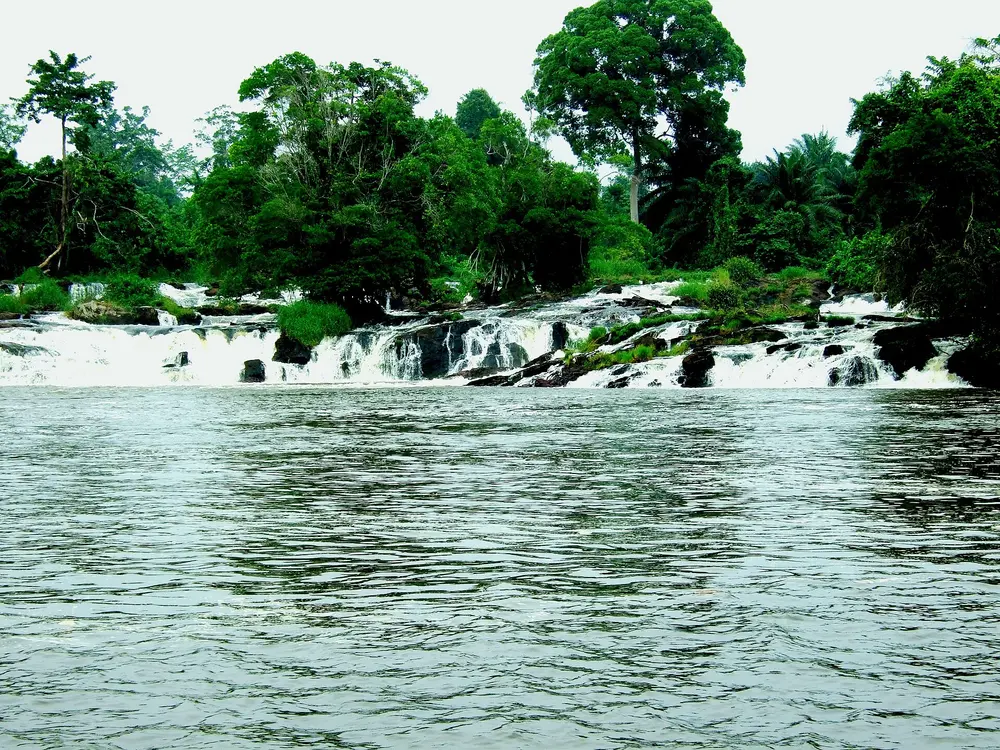
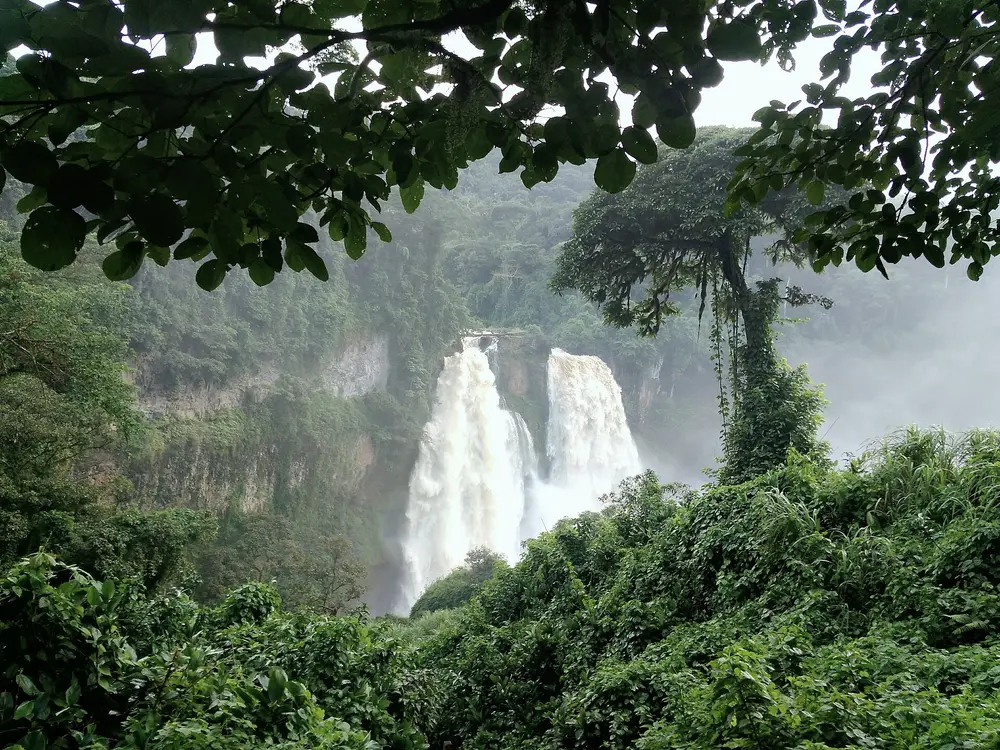
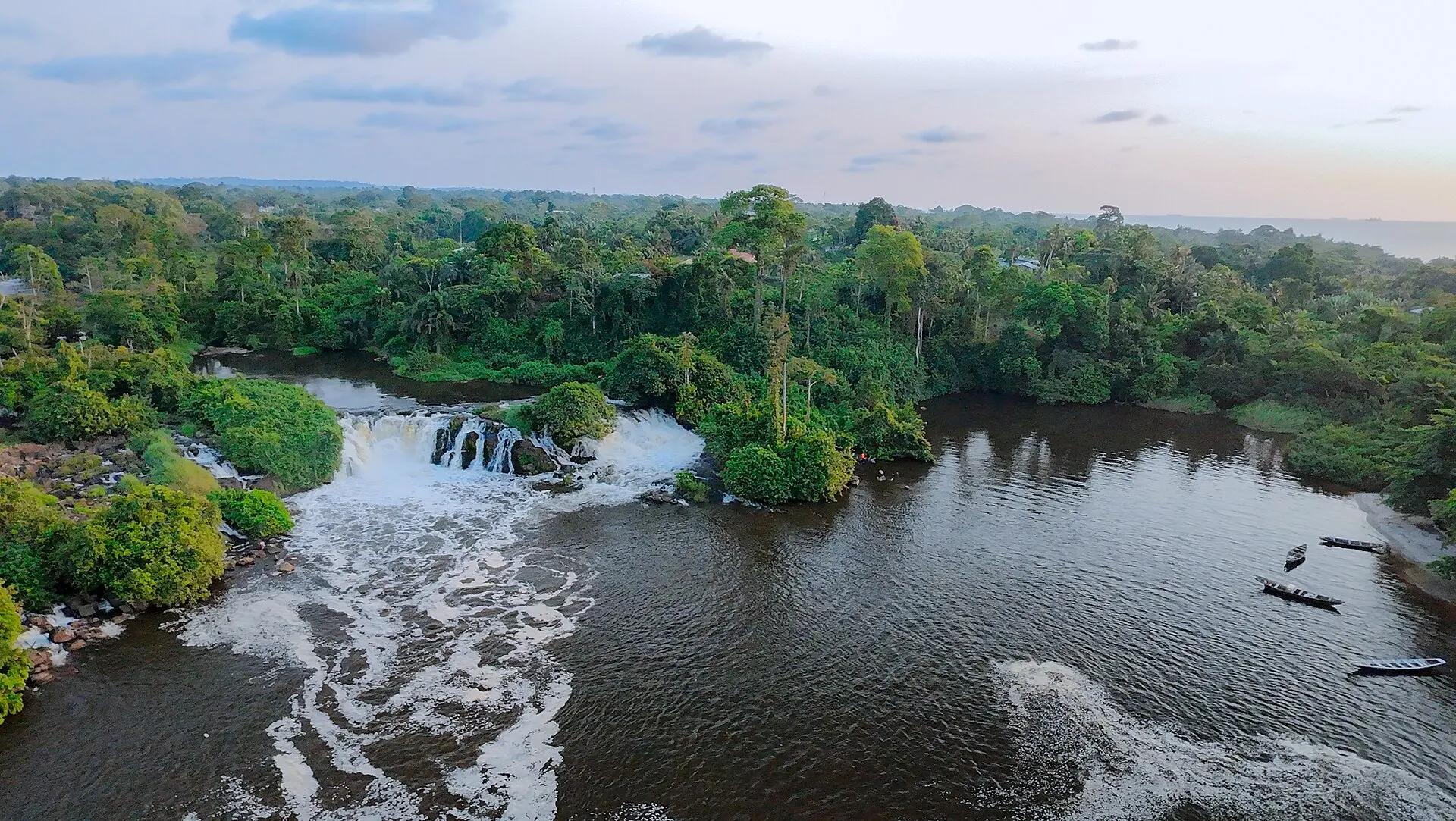
The Lobé Falls pouring into the Atlantic near Kribi
Emerymakini · CC BY 4.0
Cameroon · Africa in miniature

Cameroon, from the Atlantic to the Sahel

Black-sand beaches under an active volcano, a waterfall that drops straight into the sea, sultans' palaces, Bamileke chiefdoms and some of Africa's oldest rainforest — in one country the size of California.

Top 10 sights Version française

Four Cameroons

Coast, forest, highlands, Sahel

Cameroon is nicknamed 'Africa in miniature' because almost every African landscape is here. Most visitors combine the coast with Yaoundé and the Western Highlands; the forests of the south-east and the Far North need more planning — and, today, careful attention to official travel advice.

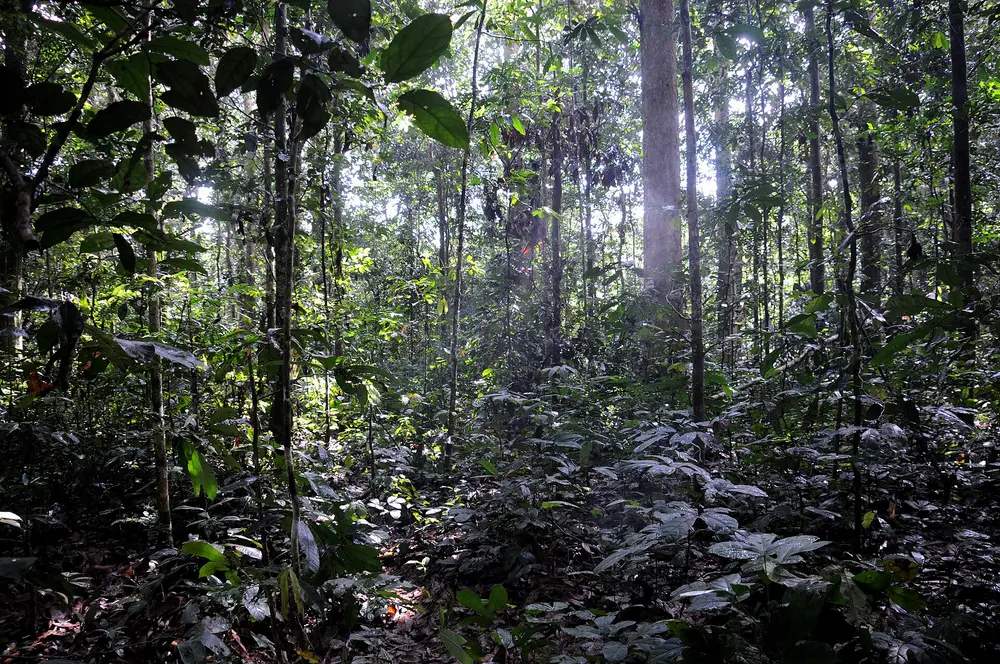
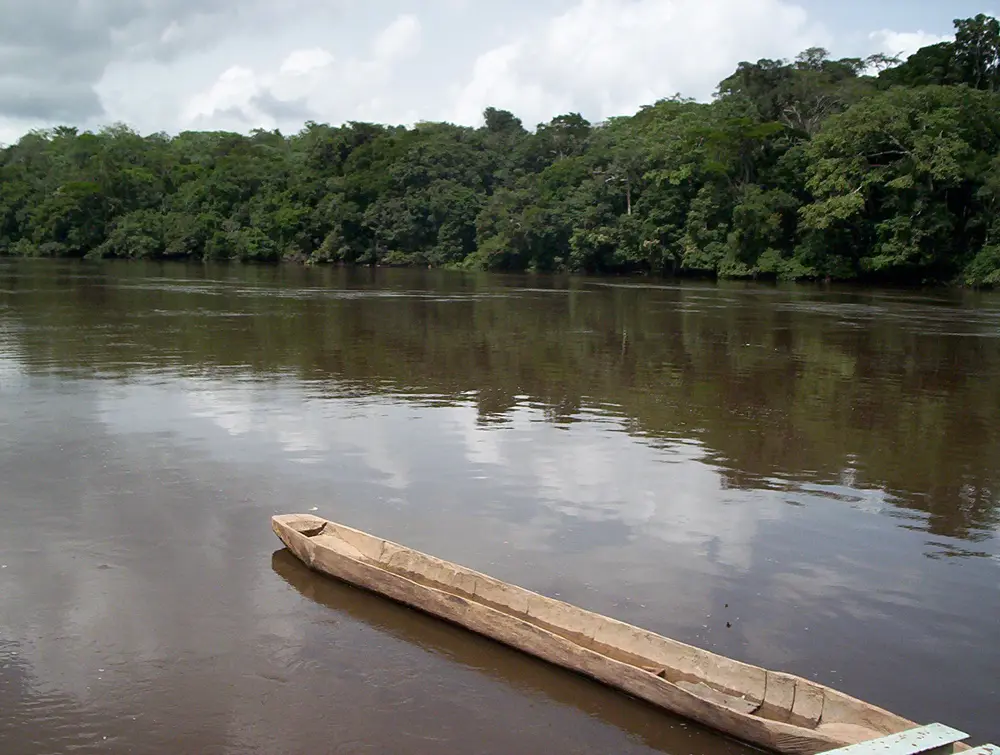
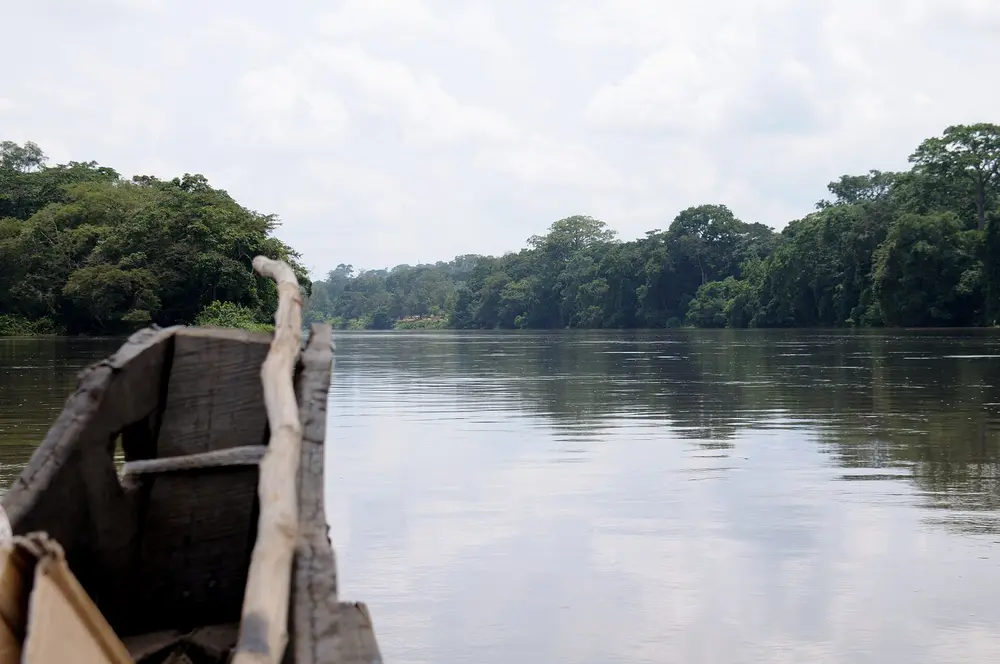
Tall trees in the rainforest of the Sangha Trinational
JosepMGracia · CC BY-SA 4.0

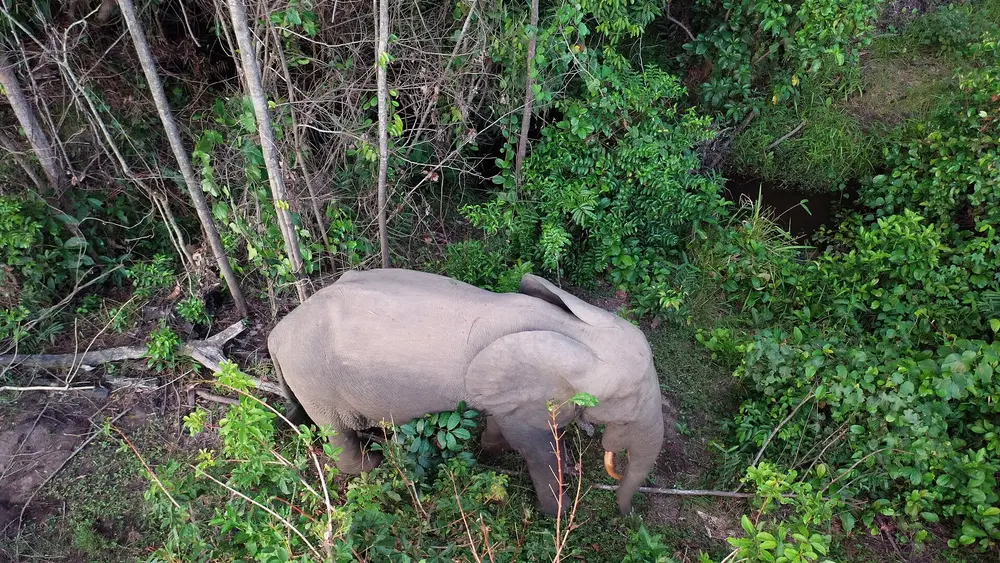
Centre, south & east

Yaoundé · Dja · Lobéké

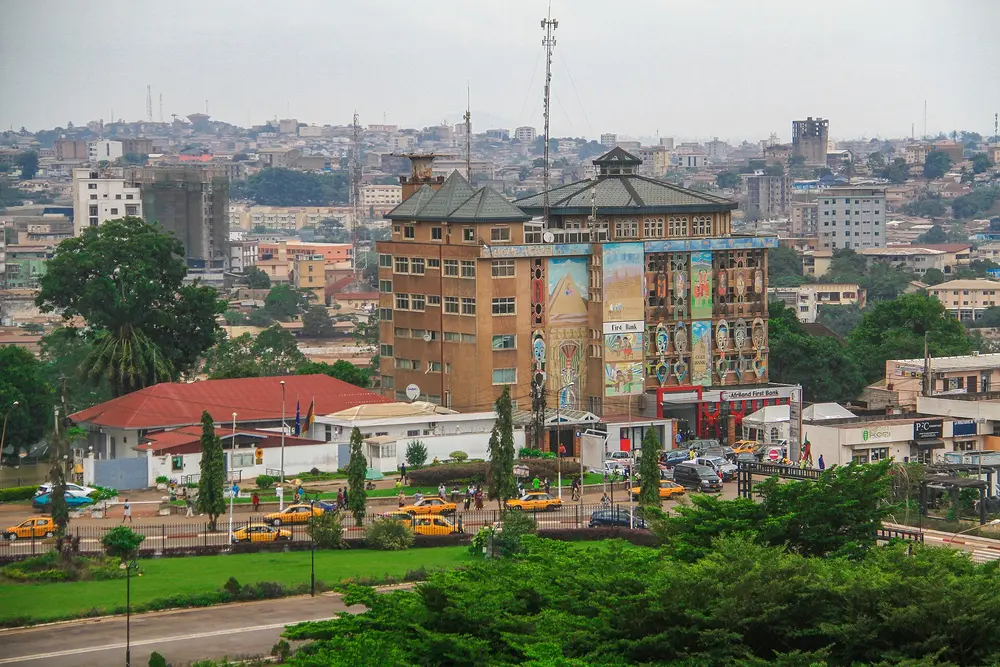
The green capital on its seven hills, primate sanctuaries close to town, and two UNESCO World Heritage rainforests for serious expeditions.

  • Museums, markets and the Mefou primate park
  • Dja Faunal Reserve (UNESCO 1987)
  • Lobéké, part of the Sangha Trinational (UNESCO 2012)
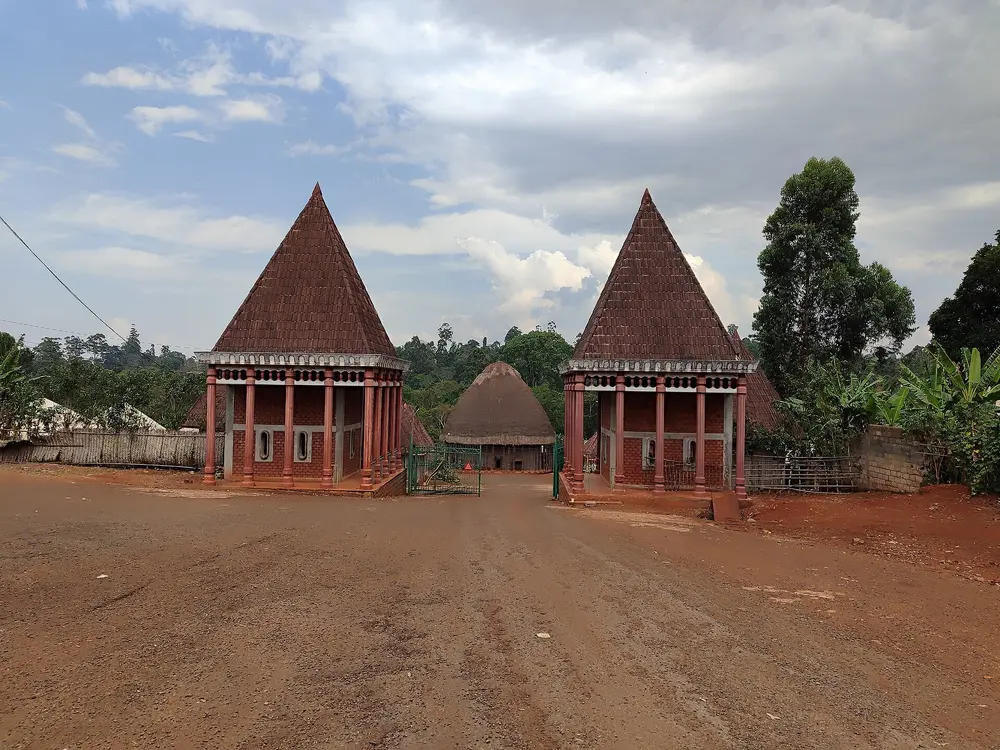
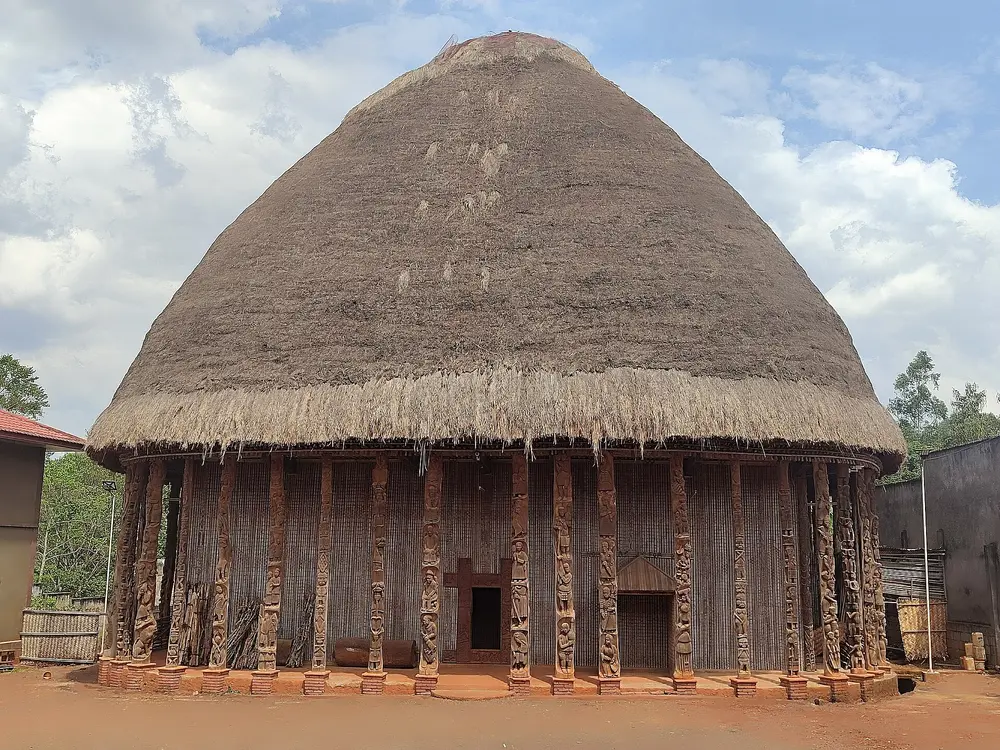
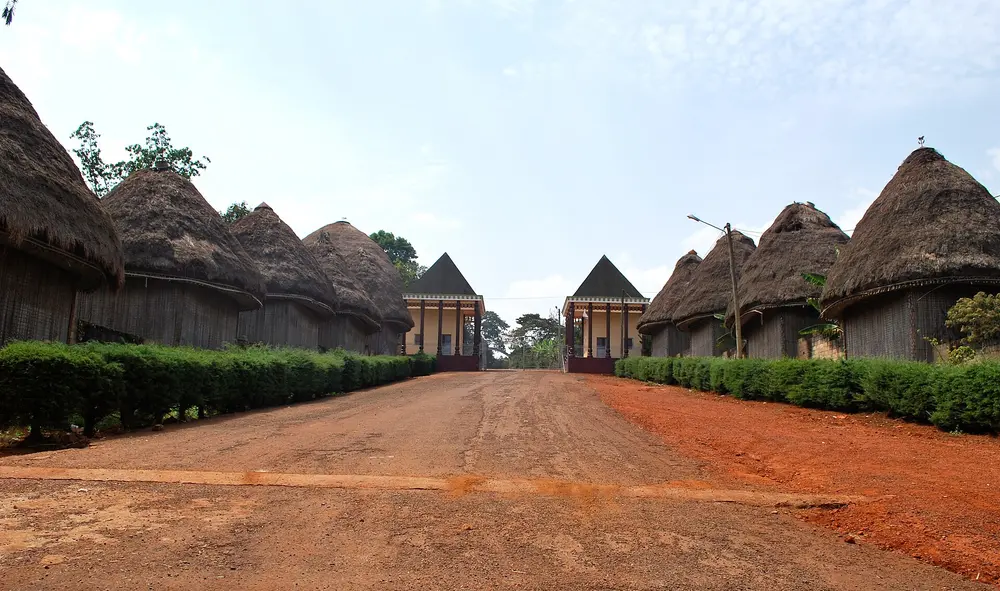
Twin pavilions at the entrance of the Bandjoun chiefdom
Harouna674 · CC0

Western Highlands

Foumban · Dschang · Bafoussam

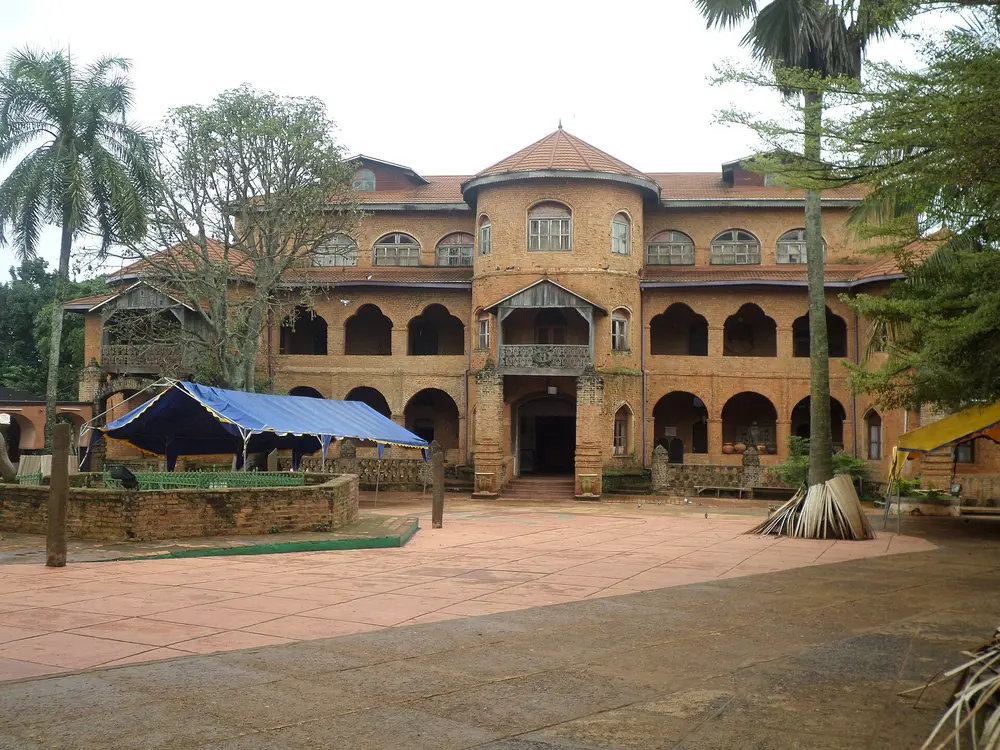
Cool green hills, the Bamoun sultanate at Foumban and the royal chiefdoms of the Bamileke — the heart of Cameroon's living traditions.

  • Sultan's palace and the Museum of the Bamoun Kings
  • Grande case of Bandjoun and other chefferies
  • Mild climate at 1,100–1,600 m
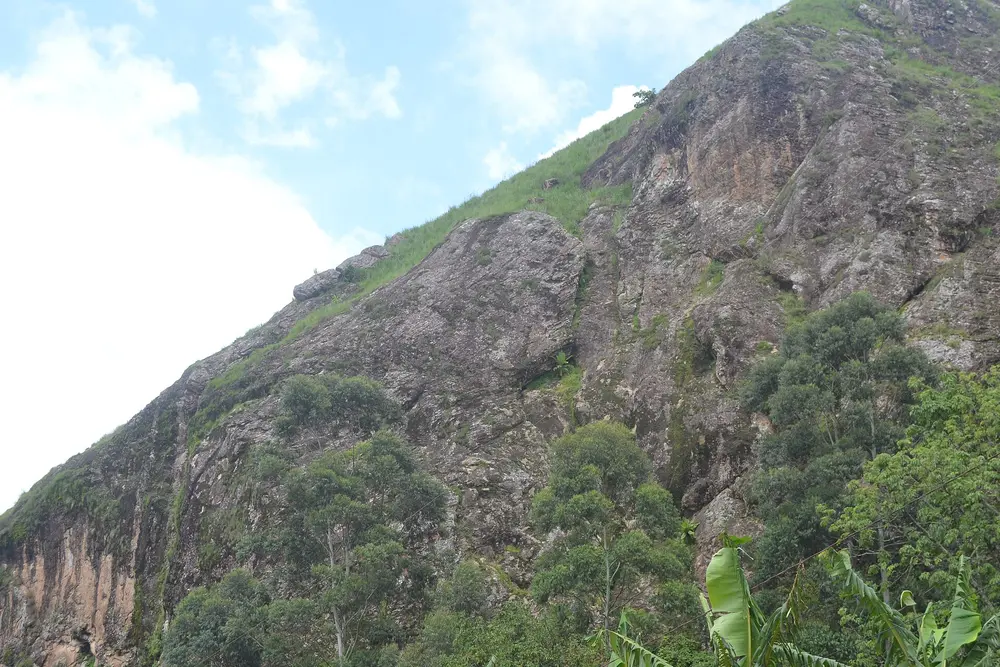
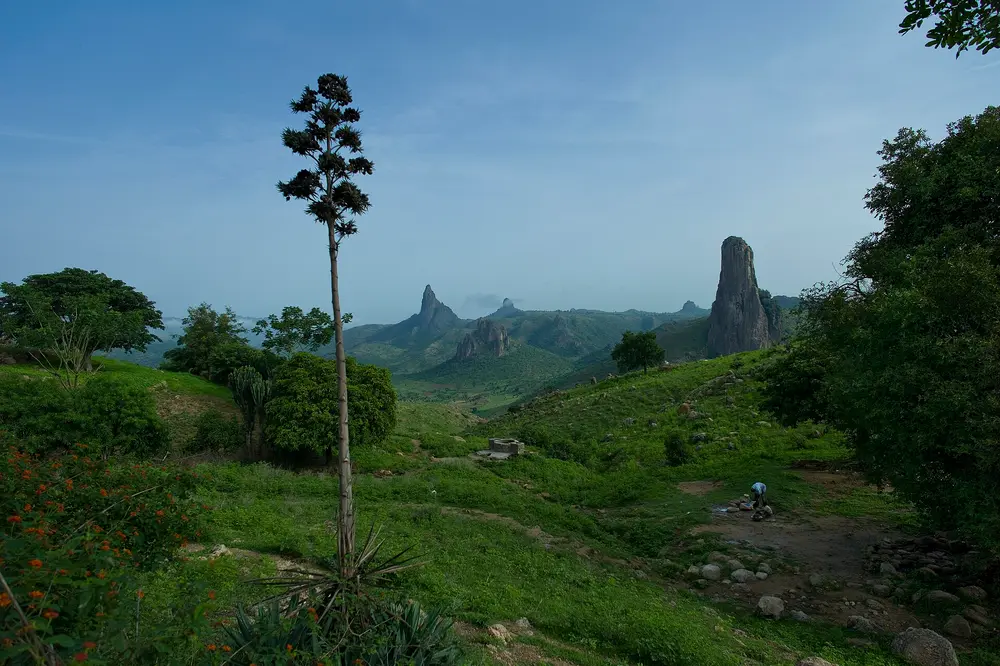
Rocky volcanic slope at Rhumsiki
Ndijose · CC BY-SA 4.0

Far North

Maroua · Rhumsiki · Waza

Volcanic plugs at Rhumsiki, the Mandara Mountains and Waza's savannah. Official advice (UK, US, France) is currently against travel to almost the whole region.

  • Read our safety briefing before planning
  • Mandara Mountains: UNESCO World Heritage (2025)
  • Best season, if advice changes: November–February
Welcome · Bienvenue

A bilingual country of more than 250 languages

Cameroon stretches from the Gulf of Guinea to Lake Chad. French and English are both official languages, and more than 250 local languages are spoken.

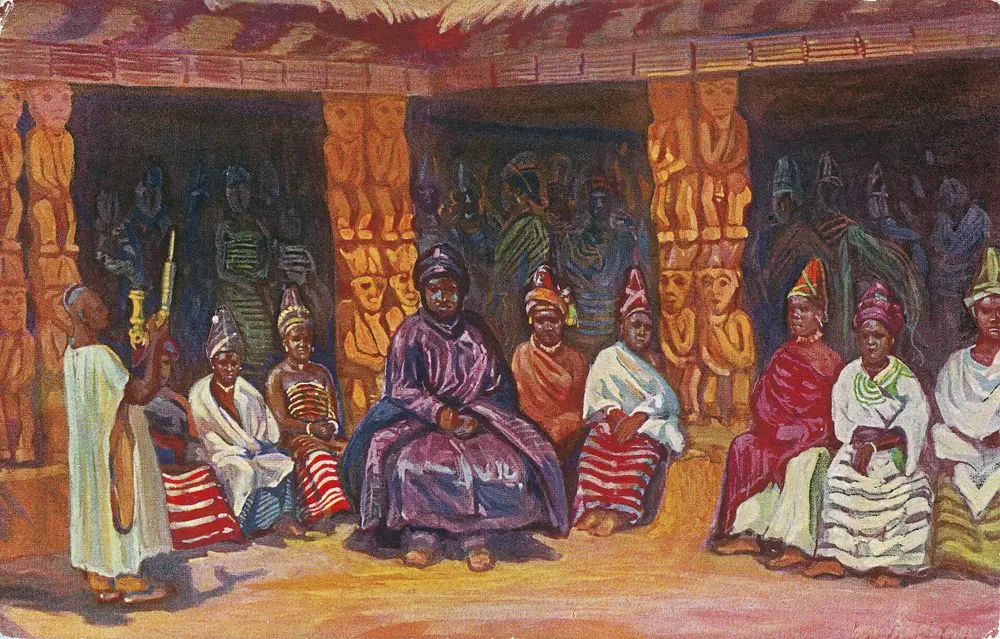
Germany, then France and Britain left their mark here, and the country is still officially bilingual: French dominates in eight regions, English in the North-West and South-West. Beneath that are kingdoms and sultanates that predate colonialism by centuries — the Bamoun dynasty at Foumban traces its line back to the 14th century.

For travellers, Cameroon is rewarding but not effortless. Tourism infrastructure is thin outside Douala, Yaoundé and Kribi, roads can be slow, and parts of the country are under official 'do not travel' advice. This guide is built to help you plan realistically: what is worth it, how to get there, who to travel with, and what the UK, US and French governments currently advise.

About Cameroon
area — slightly larger than California
≈ 475,000 km²
regions; capital Yaoundé, largest city Douala
10
official languages + local languages
2 + 250
CFA francs (XAF) to the euro — a fixed peg
655.957
When to go

Dry seasons, wet seasons, two climates

Cameroon has no winter: think in dry and rainy seasons, which differ between the humid south and the Sahelian north.

Long dry season

Dec–Feb

The best overall window for the coast, Yaoundé and the highlands: sunnier, roads easier, turtle nesting at Ebodjé. Hot and dusty in the north.

Short rains

Mar–Jun

Showers return in the south; still workable for Kribi and Yaoundé. The north is at its hottest (often 40 °C) before its rains.

Short dry spell

Jul–Aug

A drier break around Yaoundé and the south-east forests, while Douala and Limbe get their heaviest rain.

Main rains

Sep–Nov

Heavy rain in the south, muddy forest roads. Rains end in the north by October; festivals start again in late November and December.

Guides & tours

Travel with licensed local guides

A first handful of Cameroon experiences is now bookable on GetYourGuide — all newly listed, mostly around Douala, Yaoundé and Kribi. For everything else, travellers book through a Cameroonian agency licensed by the Ministry of Tourism and Leisure (MINTOUL) or hire guides on site. Here is how to do it well.

  • Ask for the licenceAgencies and guides are licensed by MINTOUL. Ask for the agency's licence number and the guide's card, and get the itinerary and price in writing.
  • Permits for parksNational parks and reserves are run by the Ministry of Forestry and Wildlife (MINFOF). Entry and guiding fees are paid at the park office — get a receipt.
  • Plan around the adviceGood agencies follow UK/US/French advice and know which roads need daylight or escorts. Avoid anyone offering trips into 'do not travel' areas.
  • Driver-guidesA car with a local driver is the most practical way to tour the West or reach Kribi. Agree the daily rate, fuel and the driver's meals and lodging up front.
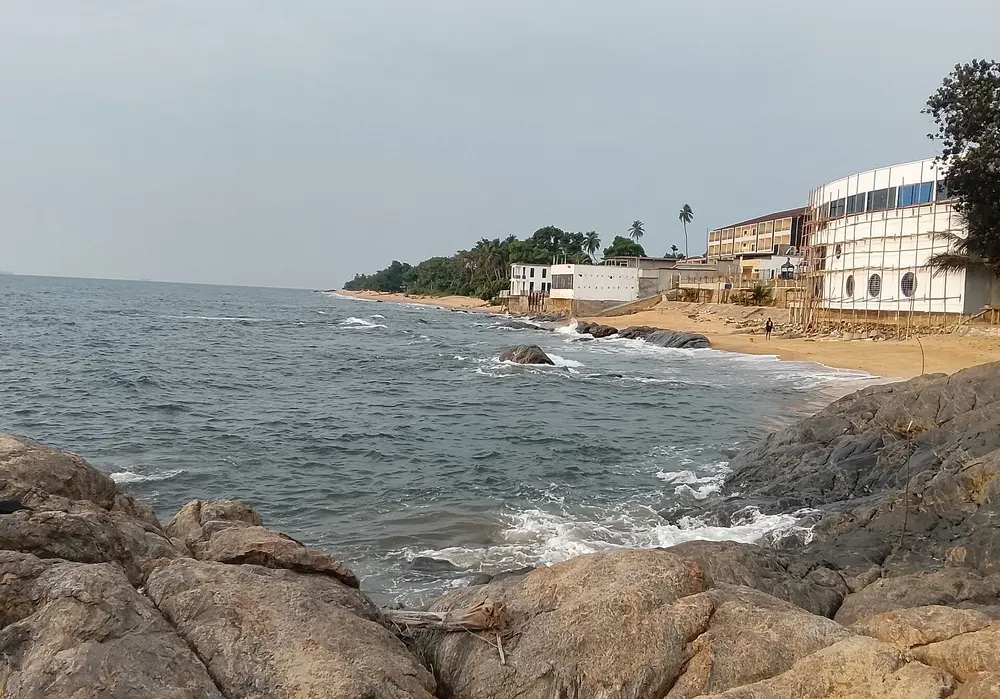
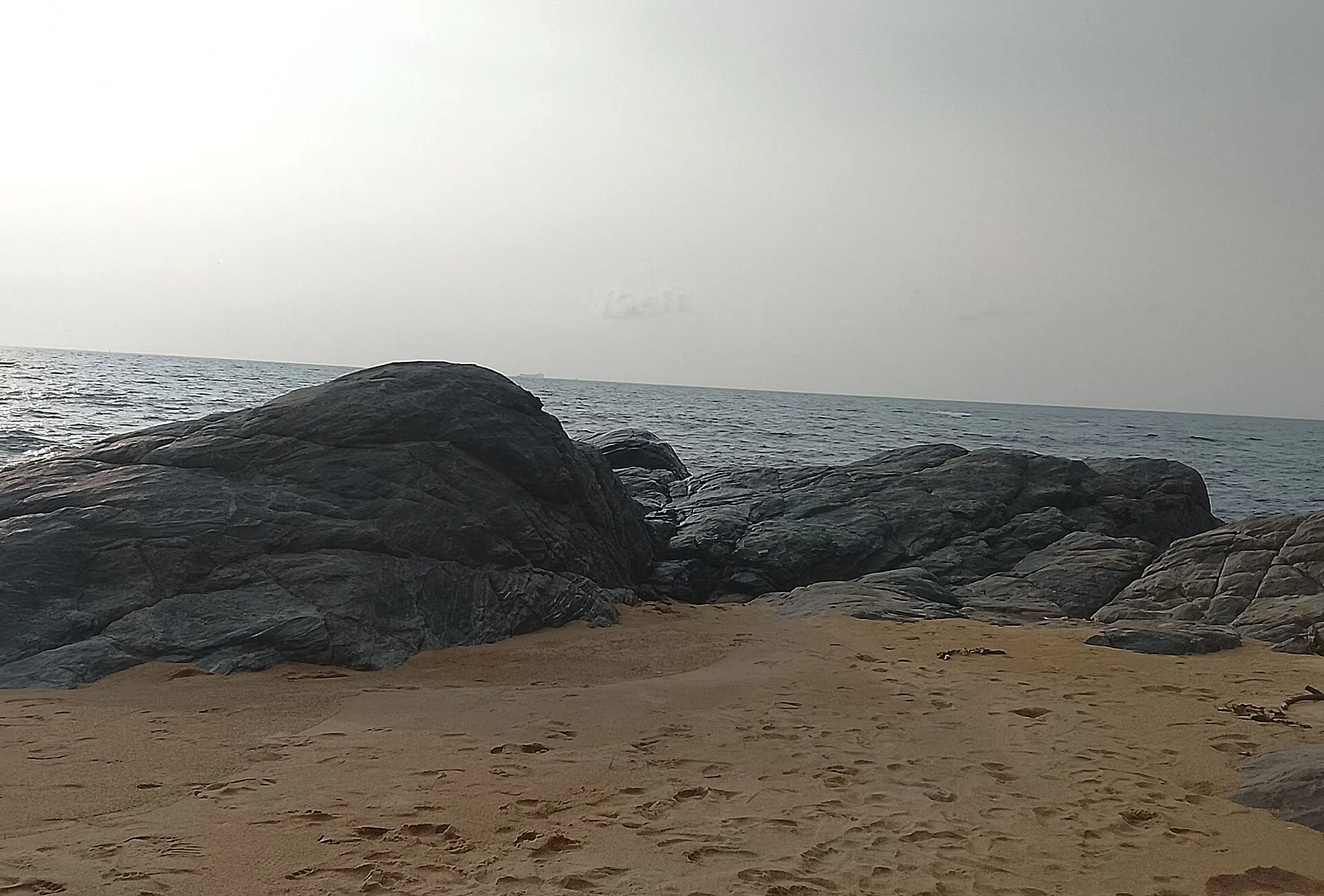
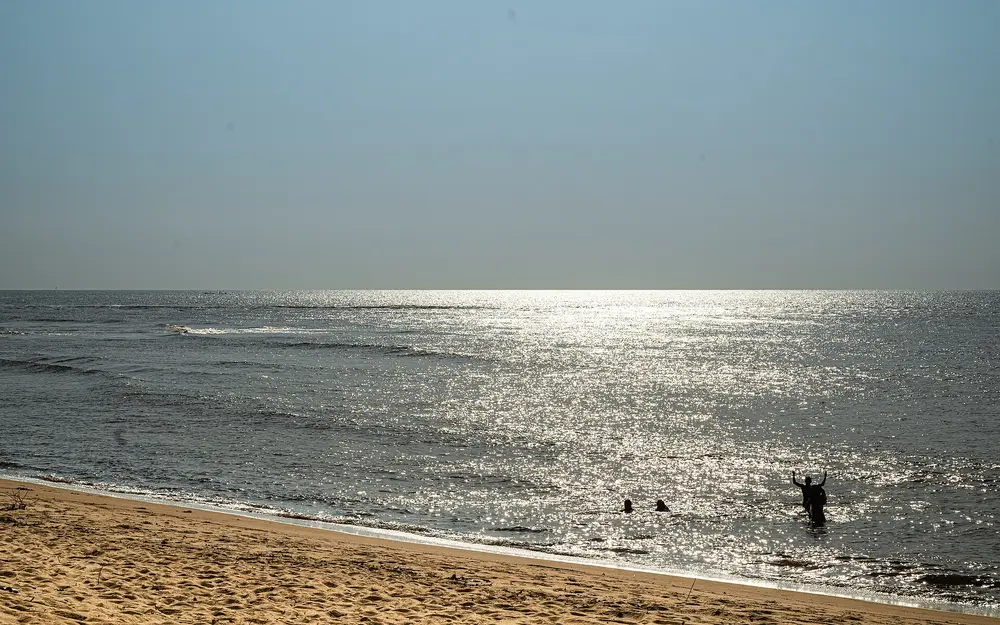
Granite boulders on a quiet beach near Kribi
Emeline Tchakounte · CC0
Where to stay

Business hotels, beach lodges and guesthouses

Douala and Yaoundé have international-standard hotels; Kribi has the best beach stays. Elsewhere, expect simple hotels and guesthouses.

Book ahead for December–January and around national holidays. Outside the main cities, confirm generator or power backup, water and air conditioning by message before you pay.

Plan your trip

Practical guides

Entry rules, safety, transport, weather, festivals and food — updated November 2026.

Plan your trip

Cameroon visa and entry requirements: the e-visa step by step

Almost every visitor needs a visa for Cameroon. Here is how the official e-visa works, what it costs, what to carry at the border and the health rules — checked against official sources in November 2026.

Read the guide
Plan your trip

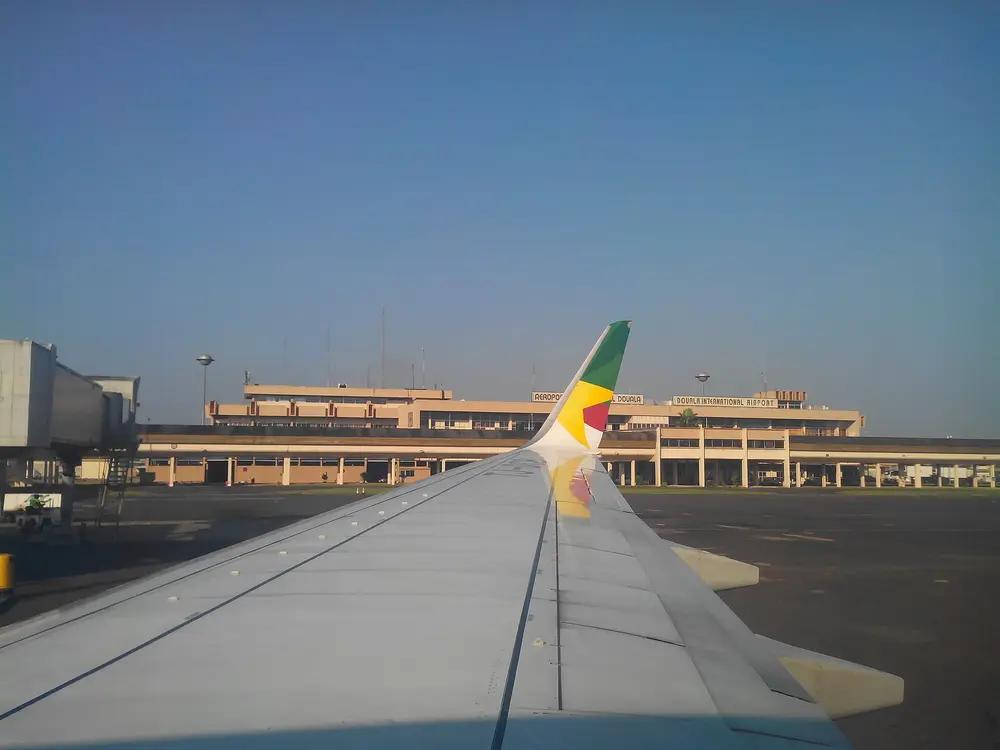
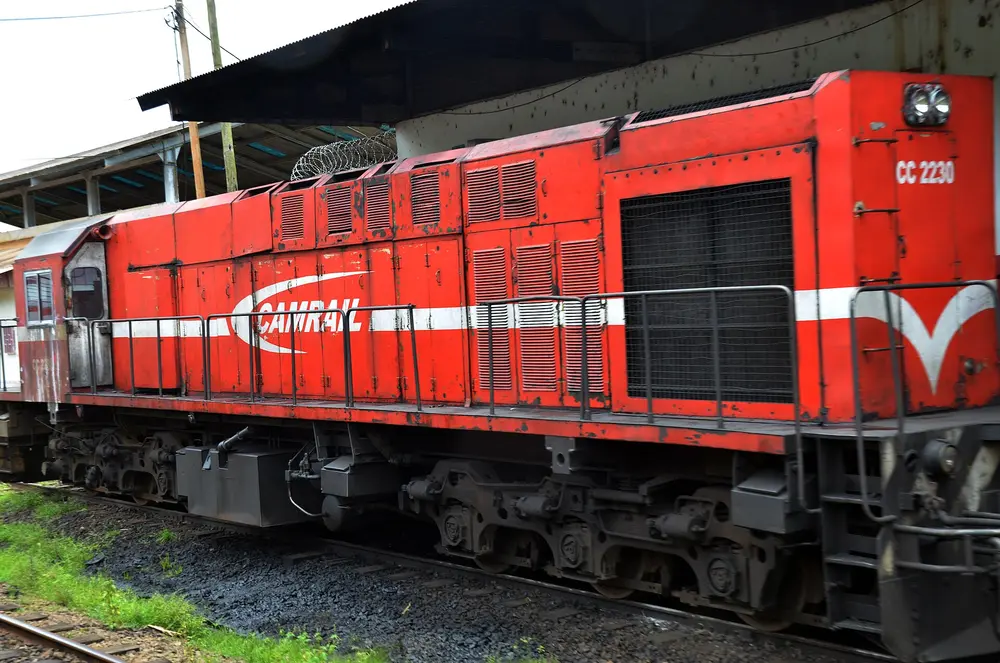
Getting to and around Cameroon: flights, buses, trains and drivers

How to fly to Douala and Yaoundé, and how to get around by intercity coach, the Camrail train, domestic flights or a car with driver — with realistic travel times and safety tips.

Read the guide
Plan your trip

Cameroon weather and the best time to visit, month by month

Cameroon has a humid equatorial south and a Sahelian north. Here is how the dry and rainy seasons work in each region, with a month-by-month table and tips for festivals and wildlife.

Read the guide
Plan your trip

Festivals and public holidays in Cameroon, 2026–27

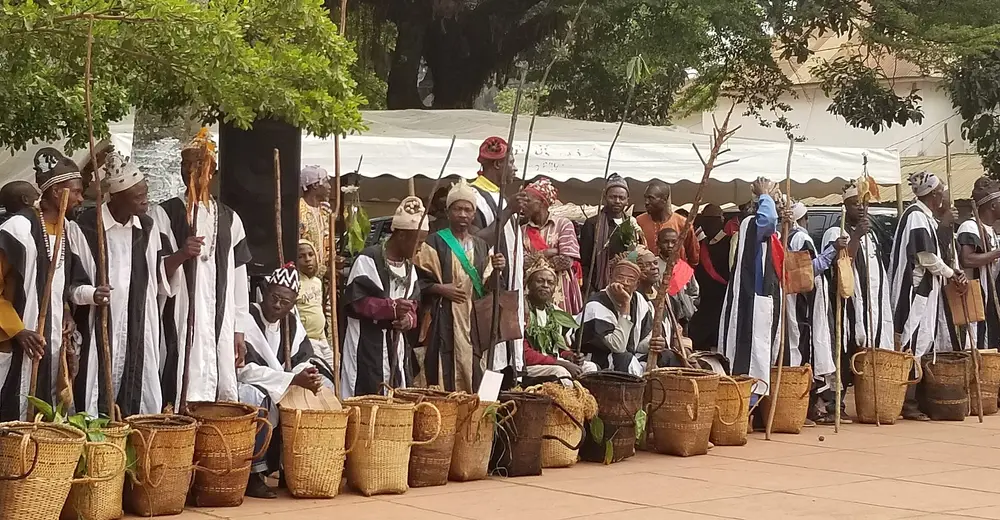
Traditional festivals of kingdoms and peoples, national holidays and the dates that affect travel — Ngondo in Douala, the Bamoun Nguon, Youth Day, National Day on 20 May and the Muslim and Christian holidays.

Read the guide
Plan your trip

Cameroon travel tips: safety, money, health and etiquette

A calm, factual safety briefing based on UK, US and French advice as of November 2026 — plus money, health, connectivity, photography and etiquette tips for travelling in Cameroon.

Read the guide
Food & drink

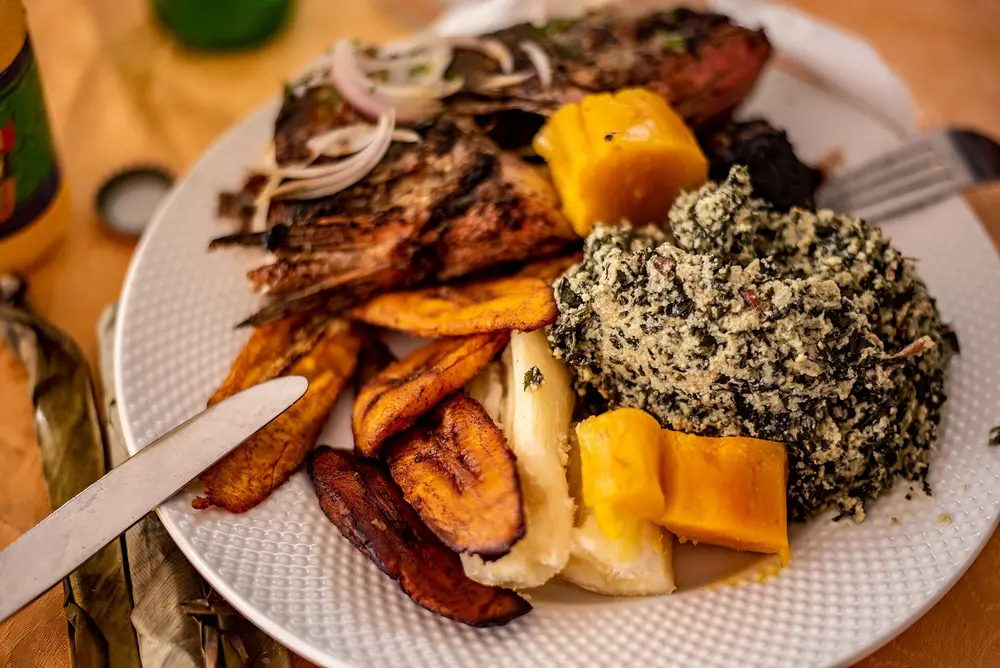
Cameroonian food: dishes to try and where to eat

Cameroon has one of Central Africa's great cuisines. From ndolé and grilled fish on the beach to achu in the West and soya at night markets — what to order, region by region.

Read the guide
Culture & history

A short history of Cameroon

From the Sao and the great kingdoms to German Kamerun, French and British mandates, independence in 1960, reunification in 1961 and the challenges of today — the history that explains what you see.

Read the guide
Plan your trip

Cameroon travel FAQ: 20 questions answered

Quick, sourced answers to the questions travellers ask most about Cameroon — safety, visas, money, language, health, when to go and what to see.

Read the guide
GetYourGuide

Live availability for Cameroon tours

This GetYourGuide feed shows bookable experiences with current prices.

Tour listings are on GetYourGuide. Prices, times and cancellation terms are shown live on each listing and can change; VisitCameroon.com may earn a commission at no extra cost to you.

Frequently asked questions

Cameroon travel questions

Is Cameroon safe to visit?

Most visitors travel without problems to Douala, Yaoundé, Kribi and the West, taking big-city precautions. But the UK, US and French governments currently advise against travel to the North-West, almost all of the South-West and the Far North, and to border zones. Read our safety briefing and check official advice before you book.

Do I need a visa for Cameroon?

Almost all visitors do. Apply online on the official portal evisacam.cm well before travel; biometric enrolment and the visa itself are completed at the airport or at an embassy. E-visas are not accepted at land or sea borders. See our visa guide.

Do I need a yellow fever vaccination?

Yes. A yellow fever vaccination certificate is required to enter Cameroon, and malaria prevention is strongly recommended. See a travel clinic 4–8 weeks before departure.

What is the best time to visit Cameroon?

December to February is the best all-round window for the coast, Yaoundé and the Western Highlands. July–August can also work around Yaoundé and the south-east, but it is the wettest time in Douala and Limbe.
What currency is used in Cameroon?

The Central African CFA franc (XAF), pegged at 655.957 per euro. Cash dominates; ATMs work in cities, mostly with Visa. Mobile money (MTN MoMo, Orange Money) is everywhere.

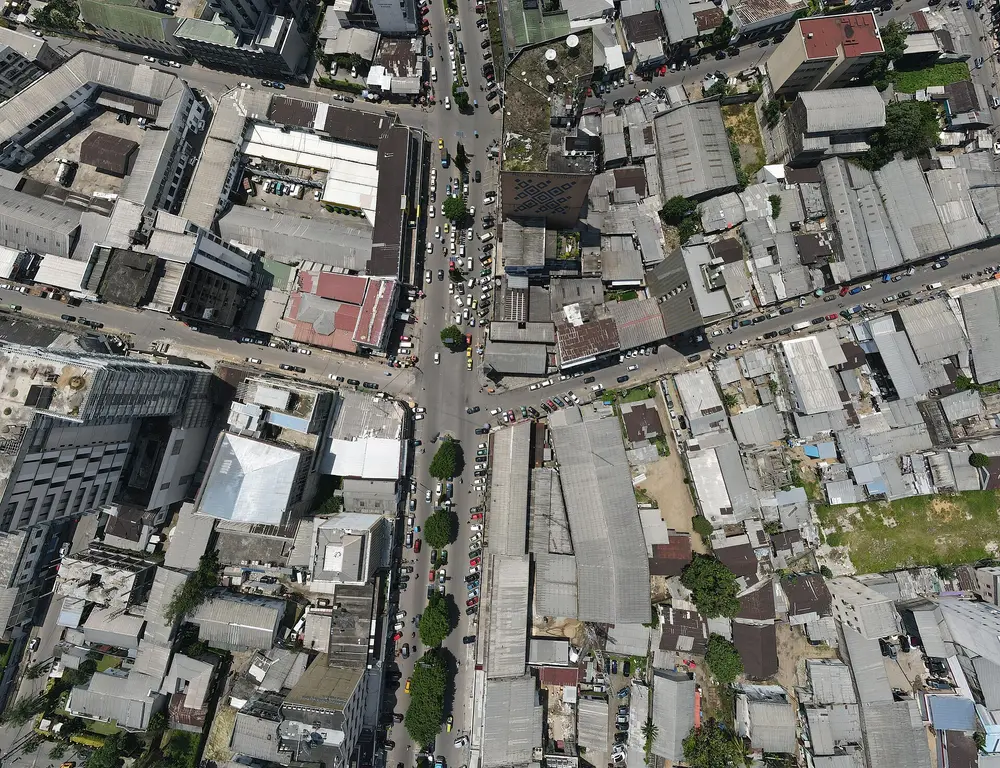
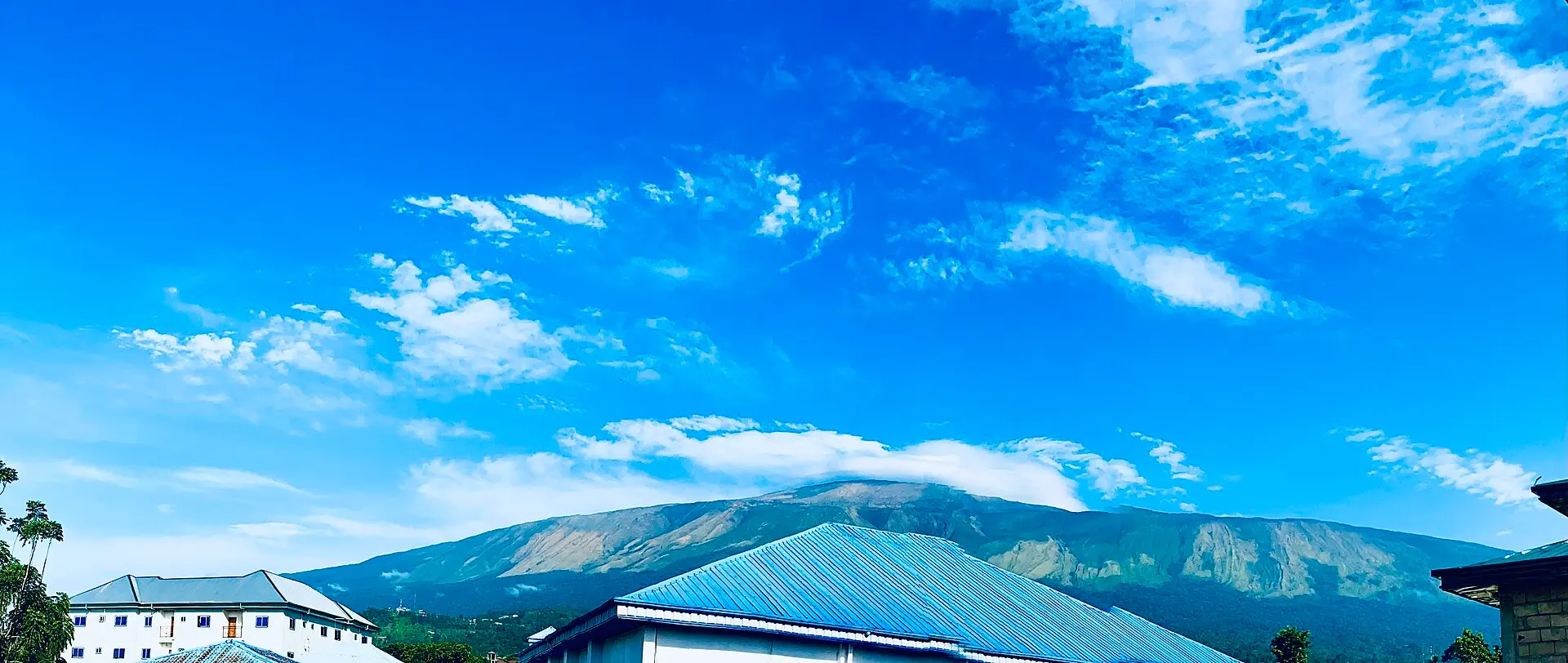
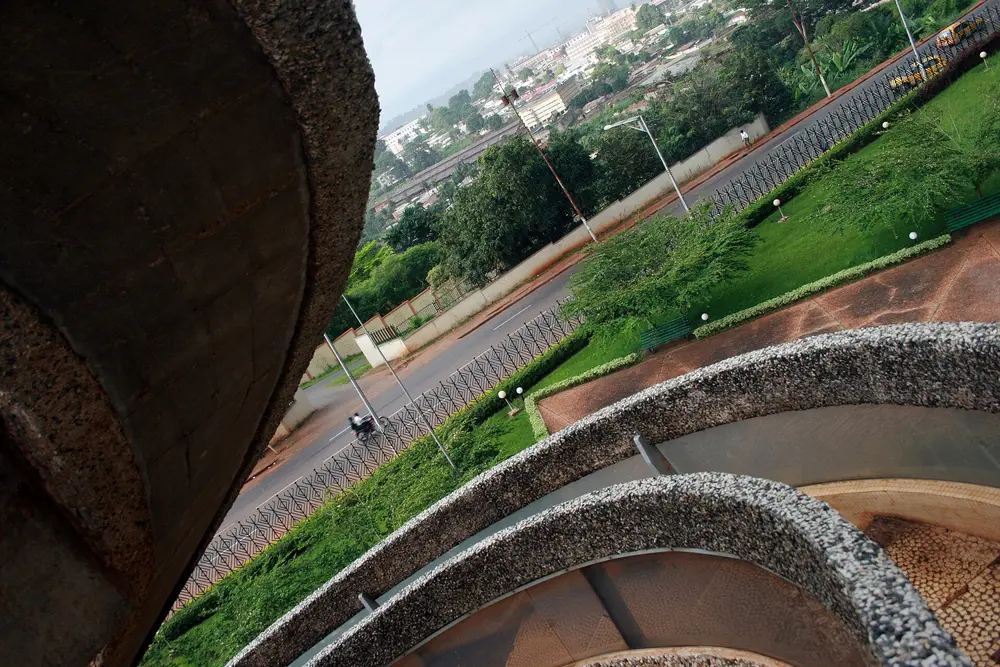
MOUSSI SIMON BRICE · CC BY-SA 4.0
VisitCameroon.com

Cameroon, one country, many worlds

Beaches and waterfalls on the Atlantic, royal palaces in the highlands, rainforest in the south and east: plan around the seasons and current travel advice, and travel with licensed local guides.